Dum is a cooking method built around a covered vessel and the steam held inside it. Understanding that idea gives a familiar menu word something specific to mean: it describes part of the preparation, rather than one fixed recipe.
For someone exploring Ayodhya's food, it offers a way into the wider culinary culture of Awadh. Start with the method, then let the person preparing a particular meal explain their version.
Begin with the sealed vessel
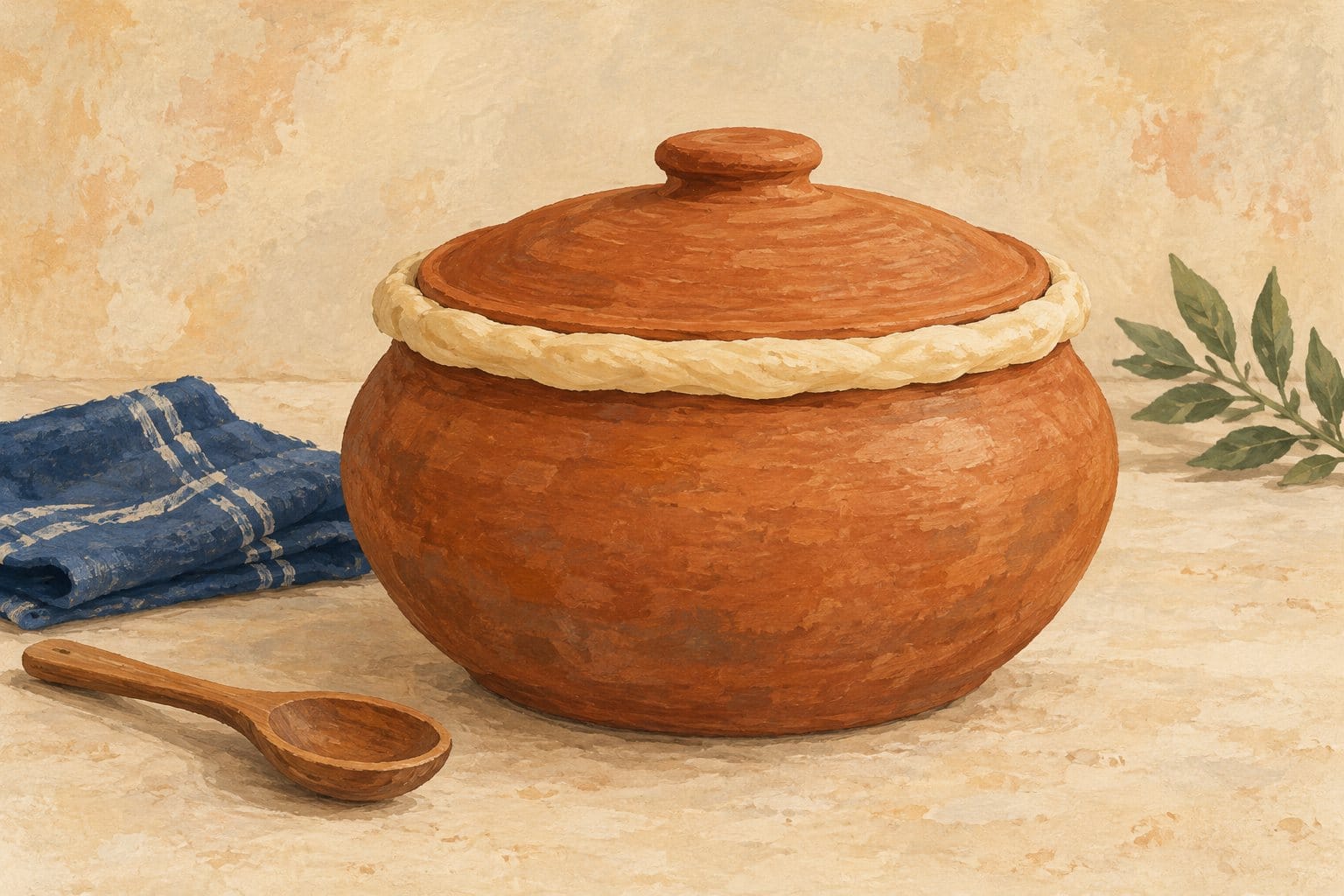
In his 2020 guide to traditional Indian cooking techniques, Sanjeev Kapoor describes dum pukht through cooking in retained steam, with dough sealing the vessel. His account associates the technique with Awadh and notes its use for both vegetarian and non-vegetarian food.
That distinction matters when choosing a meal. The method's name does not settle which vegetables, meat, rice or seasonings a kitchen uses. Ask about the actual preparation if its ingredients matter to you.
Separate the vessel from the technique
The same guide distinguishes a handi as a cooking vessel. A vessel's name and a description of how food was cooked give you different pieces of information.
When reading a menu, consider three questions: What is the dish? What vessel is being described? What part of the cooking method does the description explain? A photograph of an attractive pot answers less than a clear account of the preparation.
If a cook or host is willing to discuss their version, ask how the covered stage fits into it. You can learn something useful without requesting a complete recipe or expecting one household's answer to represent every kitchen.
Read the Awadhi connection as regional context
Incredible India's Uttar Pradesh overview places Awadhi cuisine particularly in Lucknow's culinary context. Separately, the Ayodhya district's cultural account recognises Nawabi influence in local daily life, including cuisine.
These accounts give a regional setting for the food. A present-day Ayodhya menu still needs its own explanation: who prepares the dish, what goes into it and how that kitchen cooks it.
Follow a concrete detail rather than trying to award a meal a historical pedigree. The vessel, its covered cooking stage and the ingredients chosen can each open a useful conversation.
Let the preparation lead your curiosity
Before ordering, confirm the ingredients and portion with the provider. Explain a dietary requirement directly rather than expecting a regional name to answer the question. Then enjoy the dish as that kitchen's preparation.
For another food story built around a process, explore Ayodhya's jaggery, from sugarcane to gur. Looking at how something is made can make a familiar food more interesting than another list of things to try.
Sources checked on 18 October 2026. This is regional food-culture context, rather than a recipe or a verified Ayodhya restaurant menu. No particular dish's local origin is established here.
AI-generated conceptual illustration of a covered earthen pot with a dough seal. Not a photograph of an Ayodhya kitchen, a restaurant dish or a cooking demonstration. Resized for display.