An Ayodhya jaggery venture needs more than a connection to a familiar local product. Before committing to equipment or premises, decide what you will sell, who might buy it repeatedly and how money will move through the business. A production plan and a customer plan should develop together.
Jaggery gives this question a real local starting point. Uttar Pradesh’s One District One Product portal identifies jaggery products with Ayodhya. That recognition helps identify a sector to investigate; it does not establish sales or profitability for a new entrant.
Choose the work you actually want to do
Producing jaggery, buying it for resale and building a packaged brand involve different responsibilities. Write down which activities your proposed venture would perform and which would remain with a supplier or service provider.
For a manufacturing idea, ask who will supervise production and maintain equipment. For a resale idea, ask how you will verify suppliers, handle stock and reach customers. For a branded product, ask who is responsible for packing, product information and complaints. A name and a label are only part of the work.
Keep the first version narrow enough to investigate properly. One product format and one customer group make the unanswered questions easier to see than an ambitious catalogue does.
Read a project report as a set of assumptions
NIFTEM’s model report for a jaggery-making business separates capacity, stock, customer credit and supplier credit. Later sections cover machinery, working capital, wages, power, repairs and cash flow. It is a useful structure for questions, rather than a current Ayodhya quotation.
Its financial model contains assumed utilisation, prices and financing. Do not copy those figures into a present-day plan as verified local costs, approved funding or expected returns. Obtain evidence for your own scale and circumstances.
Next to each line in your plan, record what supports it: a dated quotation, an observed requirement, an agreed term or an assumption still to test. This small distinction makes an attractive spreadsheet much more honest.
Look for repeat purchases, not just encouraging reactions
Choose a customer question you can investigate. A retailer, a food business and a household may want different quantities, packaging and delivery arrangements. Their willingness to try something does not necessarily mean they will order it again.
Before expanding, seek evidence about the product specification, buying frequency, acceptable delivery terms and how a purchase decision is made. Record what remains uncertain. Neither Ayodhya’s visitor appeal nor a product’s traditional reputation replaces evidence from the customers your venture would serve.
Keep enquiries separate from confirmed orders. If one prospective buyer accounts for most of the plan, ask what happens if that buyer changes supplier or delays a purchase. A smaller but repeatable customer base may require a different operation from a single large order.
Follow the cash through one order
Map the steps from paying for inputs to receiving payment from a customer. Where will stock wait? Which bills fall due before the sale is collected? What happens if delivery is rejected or a buyer pays later than expected?
Prepare a version of the plan with fewer orders and slower collections. Include the costs that continue during that period, such as premises, staffing and agreed repayments where applicable. Decide what evidence would justify expanding and what would make you pause.
This is a way to examine resilience, not to predict a return. Keep business cash needs distinct from money required for household commitments. Equipment and unsold stock cannot be assumed to turn back into cash immediately at their purchase price.
Packaging belongs in the operating plan
NIFTEM’s jaggery packaging material links packaging choice to protection, storage and transport conditions, market type and customer preferences. A package therefore needs to suit the product’s journey, not simply look attractive.
Ask the producer and competent technical advisers about the intended product and conditions. Establish the basis for storage instructions and any shelf-life statement before using them. Check current applicable requirements with the responsible authorities; an older training slide is not a complete legal checklist.
Investigate shared facilities before buying everything
The ODOP listing for Ayodhya Dham Jaggery Association describes automatic jaggery processing support and marks the centre functional. Treat it as a specific lead to verify, rather than a promise of available capacity or access on your chosen dates.
Find out which services are actually offered, who can use them, the charges, scheduling and responsibility for product handling. Compare verified terms with the alternative of owning equipment. Do not build the business around unconfirmed access or financial assistance.
A useful first milestone is a short evidence file: the customer problem, proposed product, supplier and facility options, costs still to confirm, cash needs and reasons to stop or revise the plan. For the food and maker context behind this sector, read Ayodhya’s jaggery story.
Primary sources checked on 10 October 2026. This article provides a planning framework; it does not verify a venture’s demand, costs, finance eligibility or returns.
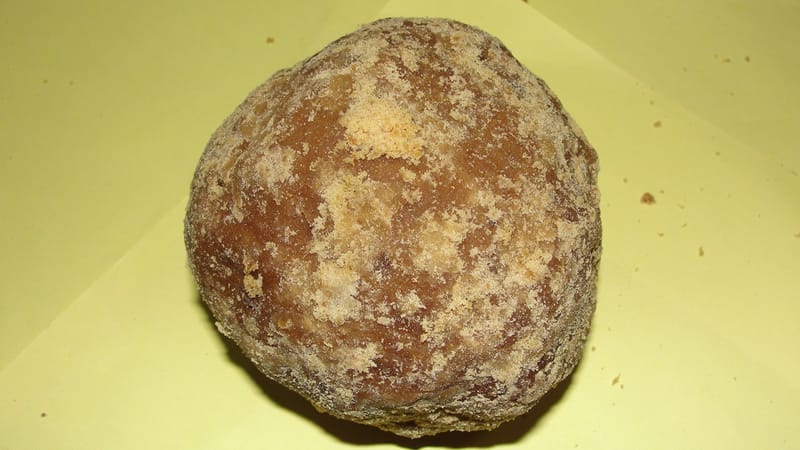
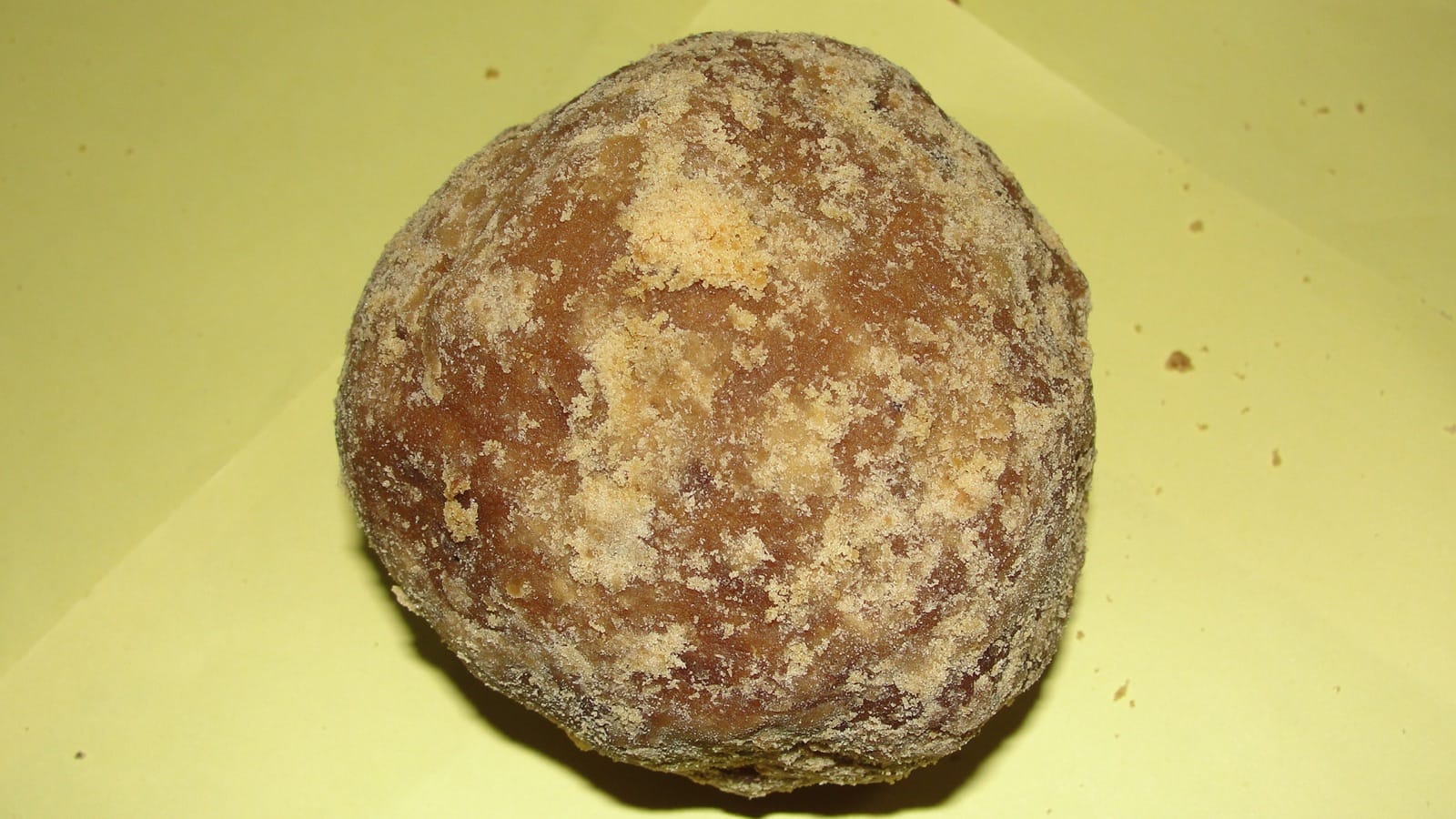
Illustrative jaggery photograph, taken on 2 January 2012; not verified as an Ayodhya product. “A Jaggery” by Thamizhpparithi Maari / Wikimedia Commons, CC BY-SA 3.0. Resized and compressed for display; the photograph and any adaptation remain under the linked licence.