A swing can become the centre of a devotional gathering. In Ayodhya, Sawan Jhula connects that simple movement with a procession, a place and a season of worship. For visitors curious about the city's cultural life, it offers a specific tradition to learn about before planning a temple visit.
The journey to Mani Parvat
The district administration's archived Shrawan Mela account describes deity images being carried in procession to Mani Parvat for a swing ceremony. They return to their temples in the evening, with swing ceremonies continuing through Shravan. The account places the conclusion at Shrawani Poornima.
This gives Mani Parvat a clear place in the description: it is the destination of a devotional journey. The source records a practice; it does not establish when the custom began or provide evidence for an origin story.
There is an important date to notice before using that page for travel plans. Its event listing is for 28 July–26 August 2018. Those dates belong to the archive and cannot tell you when to arrive for a future celebration.
An occasion with its own musical setting
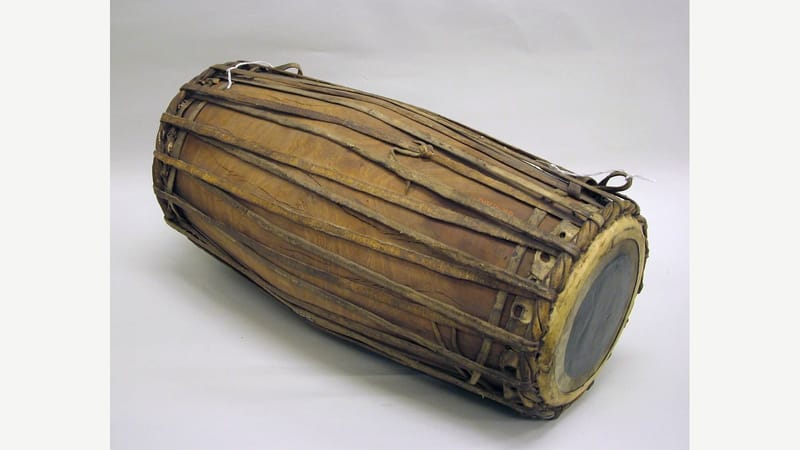
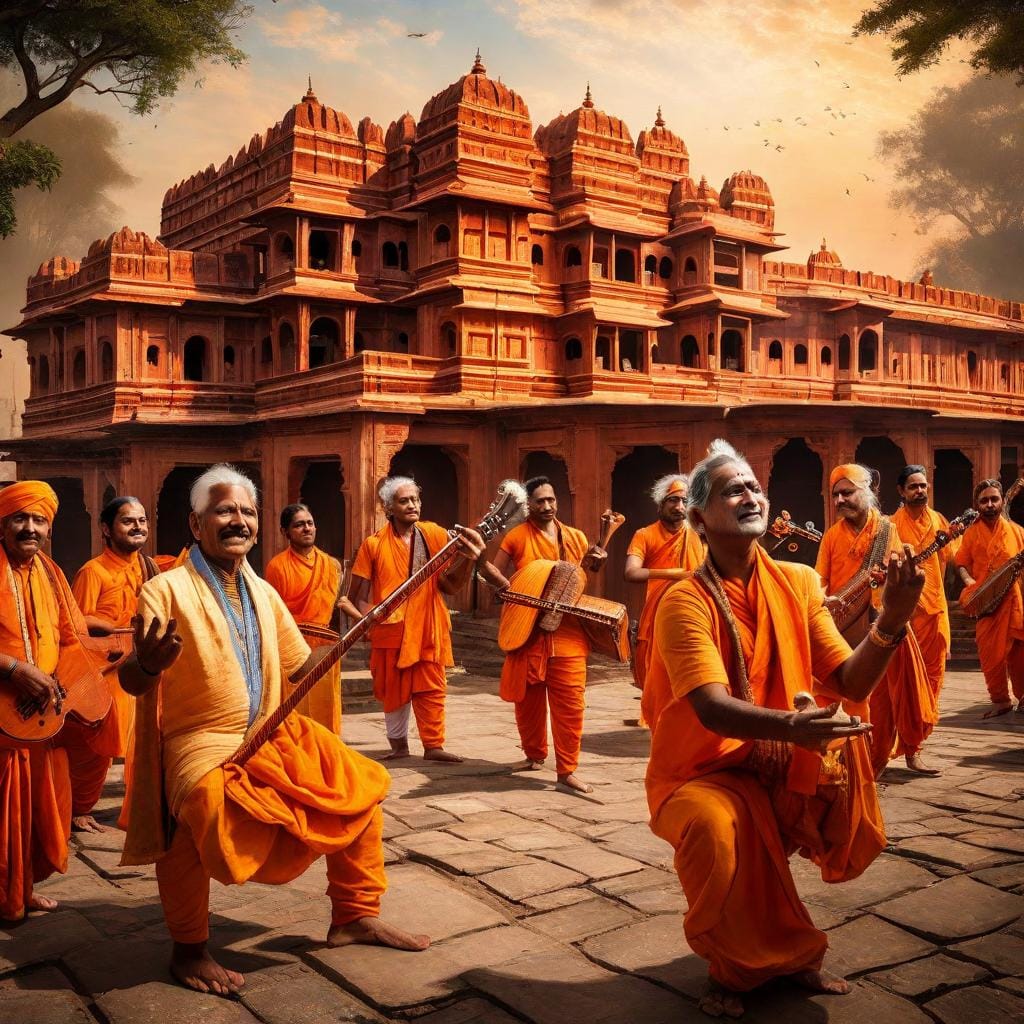
The district's Culture & Heritage overview names Jhulan among Ayodhya's musical traditions. It also includes Shravan Jhula among the occasions associated with music, dance and devotional Ramayana performance.
For a listener, the occasion is a useful starting point. Ask what the singing accompanies and how it fits into the worship taking place. A song's setting can help you understand what you are hearing, even when you cannot follow every word.
Readers interested in another occasion can explore our guide to Ram Vivah singing in Ayodhya, which concerns the marriage story of Ram and Sita. Keep the two contexts distinct when asking about a performance or describing a visit.
Before you make plans
If you hope to experience Sawan Jhula during a family trip, start with a current announcement from the temple or organiser you intend to visit. Ask for the date, time, exact meeting place and visitor arrangements. Confirm whether you will be watching a procession, attending a temple ceremony or visiting separately; leave enough flexibility to follow the organiser's guidance.
For anyone who needs step-free access or a shorter visit, check the actual approach and available facilities before setting out. Ask before photographing or recording worship, and obtain separate permission if you want to publish a performance. Keep paths clear and follow instructions from those responsible for the gathering.
The most useful preparation is modest: learn the name of the occasion, understand why Mani Parvat appears in its description, and verify the arrangements for the visit you actually want to make.
Sources checked on 19 October 2026. This is a cultural introduction; no current festival programme, procession route or visitor access has been verified.
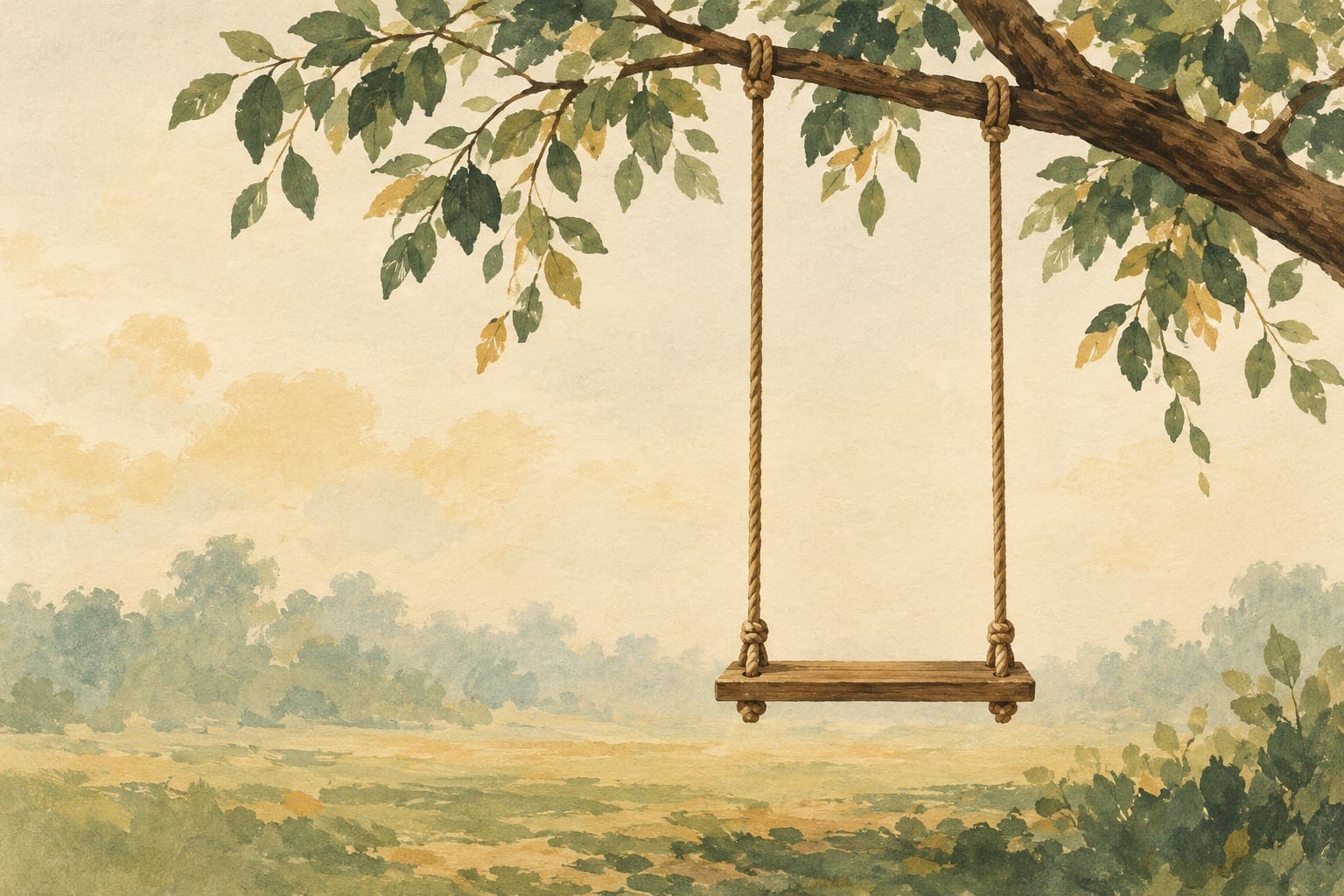
AI-generated conceptual illustration of an empty swing. Not a photograph of Mani Parvat, a deity image or a documented Sawan Jhula ceremony. Resized for display.