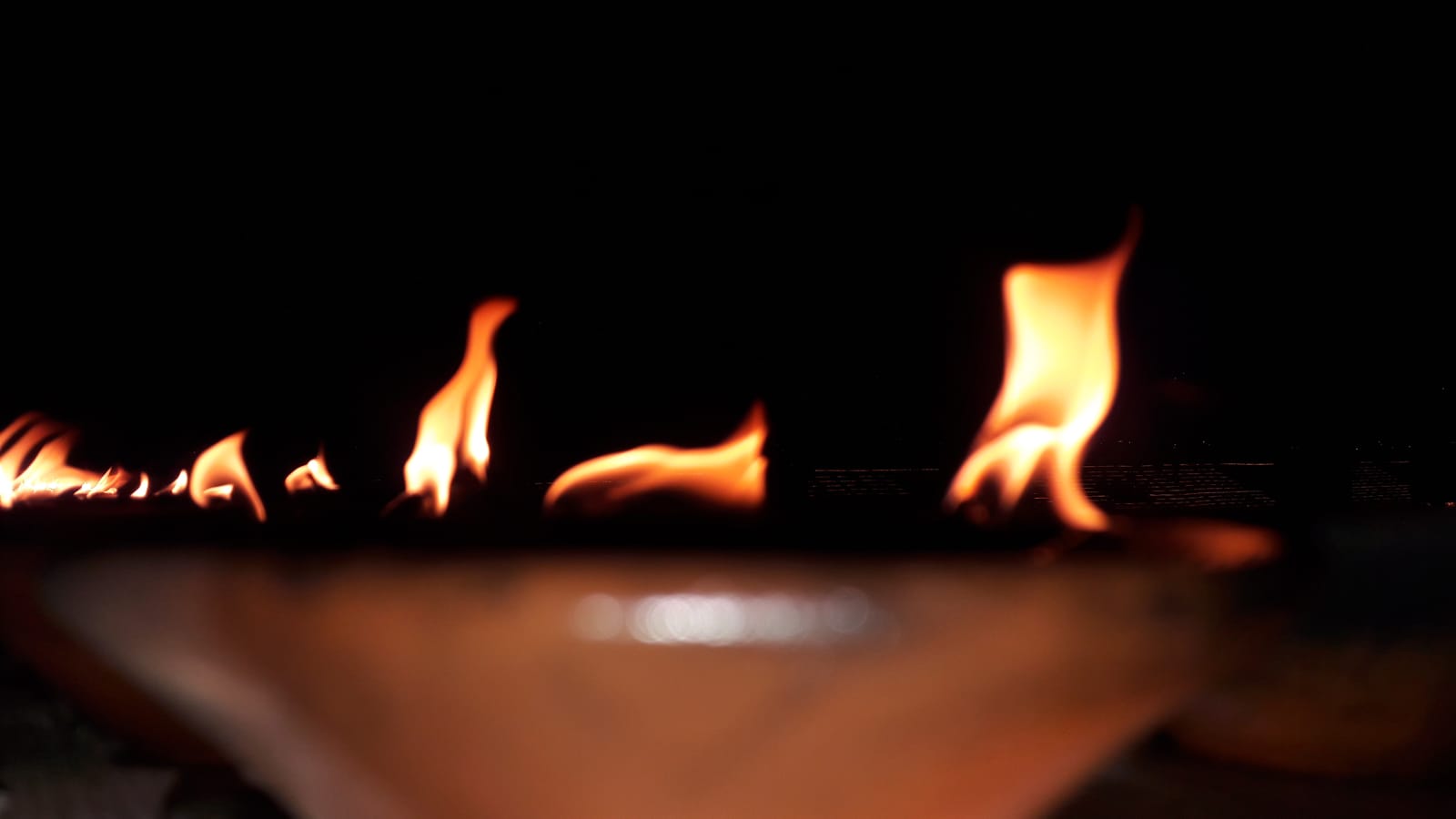
A clay lamp is a small thing: a shallow bowl, a little oil, a flame that moves with the air. At Deepotsav in Ayodhya, that familiar object becomes the centre of a city-wide celebration. Rows of earthen lamps illuminate the riverfront, turning a simple act of lighting a diya into something shared on a remarkable scale.
The glow is easy to admire. Knowing the story behind it makes the scene more meaningful. Deepotsav brings together Ayodhya's devotion to Ram, its riverfront setting and the pleasure of welcoming someone home.
The homecoming behind the lights
In the Hindu tradition associated with Ayodhya's Diwali celebrations, Ram returns to the city after fourteen years of exile. Deepotsav honours that homecoming. India's Ministry of Tourism describes the festival through this devotional story and the symbolism of light overcoming darkness and good overcoming evil. These are the beliefs at the heart of the celebration. Read the official festival account.
Homecoming gives the lights a particular warmth. Think of the care involved in preparing a house for someone you have missed, then imagine that welcome expressed across a city. A diya becomes an offering and a sign of joy. The repetition matters: one light beside another makes the welcome visible.
For a visitor, this is a useful place to begin. Learning the story gives the lamps a subject, and the celebration an emotional centre.
An old tradition, a modern public festival
The devotional story and the organised event have different timelines. Uttar Pradesh's official tourism brochure records the first large Deepotsav event on 18 October 2017. It describes lamp-lighting at Ram Ki Paidi, organised by the state's tourism department with local administration and volunteer support. See the tourism brochure, page 21.
That date helps explain the festival seen in contemporary photographs. The present-day public event gives a large, coordinated form to the homecoming tradition. Its history includes the practical work of assembling a celebration: arranging lamps, bringing people together and preparing the riverfront.
Keep that human effort in mind when looking at the finished display. A broad sweep of light is also a collection of individual tasks, each contributing to the whole. The scale can catch your attention first; the care behind it rewards a second look.
Why Ram Ki Paidi matters
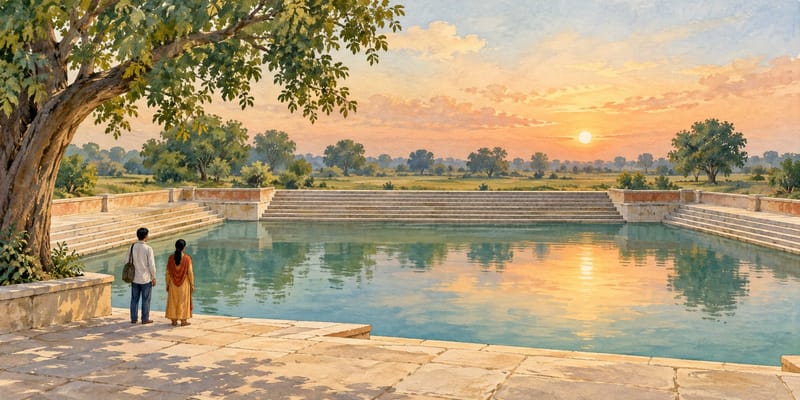
Ram Ki Paidi is a series of ghats on the bank of the Saryu River, also written as Sarayu. The Ayodhya district administration describes these riverfront steps as a place where devotees come to bathe, with the belief that the sacred water washes away sins. Worship is part of the setting's everyday meaning. Explore the district's description of Ram Ki Paidi.
During Deepotsav, the lamps draw attention to the shape of this space. Incredible India's account of the ghats describes the glow of diyas and their reflections on the water around the Diwali season. Read about the riverfront and its festival setting.
When you look at photographs, notice the relationship between steps, lamps and water. If you visit, pause wherever visitors are permitted to stand safely. Leave room for worshippers and for people moving through the ghats. Understanding the riverfront as a sacred place changes how you spend time there.
A story told through performance
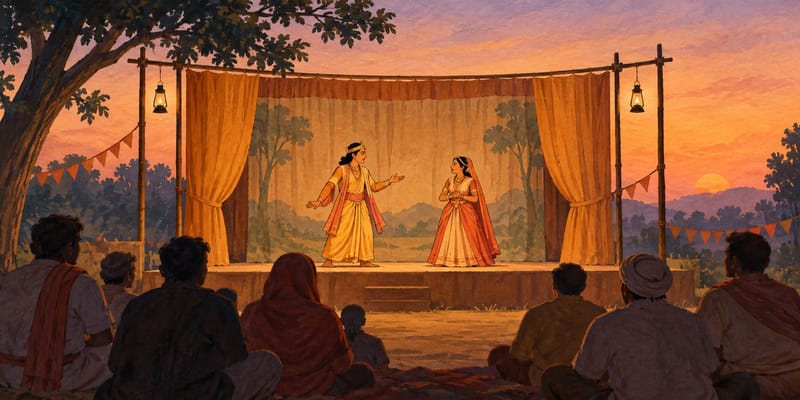
Deepotsav also gives the Ramayana a public stage. The Ministry of Tourism's archived festival listing includes a procession, a welcome for performers portraying Ram, Sita and Lakshman, and Saryu aarti alongside lamp-lighting. It records elements of past celebrations rather than a programme to rely on for a future visit. See the archived Deepotsav listing.
There is a wider performance tradition to appreciate here. UNESCO's account of Ramlila describes the retelling of the Ramayana through scenes using song, narration and dialogue, and names Ayodhya among its representative centres. It places that tradition in the autumn Dussehra season. Learn about Ramlila's cultural heritage.
This offers another way into the festival: follow the characters and the welcome being enacted, as well as the lights. A little familiarity with the story can make a performance easier to follow and a brief scene more memorable.
Give the evening room to unfold
If Deepotsav is the reason for your journey, check the current announcement from Uttar Pradesh Tourism and the Ayodhya administration before booking. Confirm the event date, visitor entry arrangements, transport diversions and any access restrictions for that edition. Older photographs and programmes cannot establish where you will be able to stand.
Once there, follow staff directions, respect prayer and leave the lamp arrangements undisturbed. Put the phone away for a few moments when it is safe to pause. The detail worth remembering may be a single flame, a reflection or the moment you recognise the homecoming story in the celebration around you.
For another chapter of the city's heritage, explore Gulab Bari and Ayodhya's Nawabi history.
Sources checked on 1 October 2026. Confirm current event and visitor arrangements before travelling.
Earthen lamps in Ayodhya, photographed on 6 November 2018. Photo: रूही / Wikimedia Commons, CC BY-SA 4.0. Resized for display; the layout may crop the photograph. The image and any adaptation remain under the linked licence.