If you have time for one riverfront visit in Ayodhya, choose by the experience you want. Ram Ki Paidi is a starting point for looking at a ghat complex and its surrounding buildings. Guptar Ghat offers a visit shaped by the tradition of Ram’s departure and the shrines around the riverbank. Both deserve more than a quick stop for a photograph.
The useful question is which place fits your interests and the route you can comfortably manage. Neither a famous picture nor a general tourism description can tell you today’s crowd level, accessible approach or programme.
Choose Ram Ki Paidi for the ghat setting
The Ayodhya district administration describes Ram Ki Paidi as a series of ghats on the Saryu. If your interest is the relationship between steps, water and the buildings around them, make that the focus of your visit.
Choose a permitted place to pause and look at the whole setting before taking close photographs. Notice how the steps meet the water and how people move through the space. Leave clear room for worshippers rather than treating the riverfront as an empty backdrop.
If a photograph of glowing lamps brought you here, establish when it was taken. Our Deepotsav story explains the festival context. Do not build an ordinary-day outing around an assumed festival display, ceremony or fixed illumination time.
Choose Guptar Ghat for the story and shrines
The Ministry of Tourism’s Guptar Ghat account associates the place with the tradition that Ram entered the river in jal samadhi and returned to Vaikuntha. It also names Sita-Ram, Chakrahari and Narsingh religious sites around the ghat.
This is a devotional tradition, rather than an independently dated historical event. Knowing it gives a reason to look beyond the water and pay attention to the places of worship. Our Guptar Ghat guide explores that context in more detail.
Choose this visit if someone in your party wants to understand that part of Ram’s story or see the surrounding shrines. Confirm the current visitor approach and instructions for each space you hope to enter. The general tourism listing does not establish which facilities or services are operating today.
Three questions to settle the choice
- What do you want to notice? Choose the ghat composition at Ram Ki Paidi or the departure tradition and shrines at Guptar Ghat as your main subject. Agree on one reason for going rather than collecting stops.
- Can everyone manage the actual route? Ask about the drop-off point, distance to the intended viewing area, steps and a place to rest. A broad accessibility label is less useful than answers about that specific journey.
- How will you return? Confirm a precise pickup point and leave enough room before a train, work commitment or family function. Check the map with your transport provider; this guide promises no travel time between the ghats.
When visiting both makes sense
See both if the different stories interest you and you have enough time for two unhurried visits. Check each approach separately and decide which stop to shorten if conditions change. Visitors travelling with children or older relatives may prefer one well-planned outing.
For either choice, follow current local instructions, keep children supervised and stay within permitted areas away from unsafe water edges. Ask before photographing worshippers closely. This comparison does not establish bathing, boating or commercial photography permissions.
You can also leave the decision until you have checked conditions for your dates. One meaningful visit is a better use of free time than a second stop made only because it appears on a list.
Official destination sources checked on 5 October 2026. Reconfirm current access and visitor arrangements before travelling.
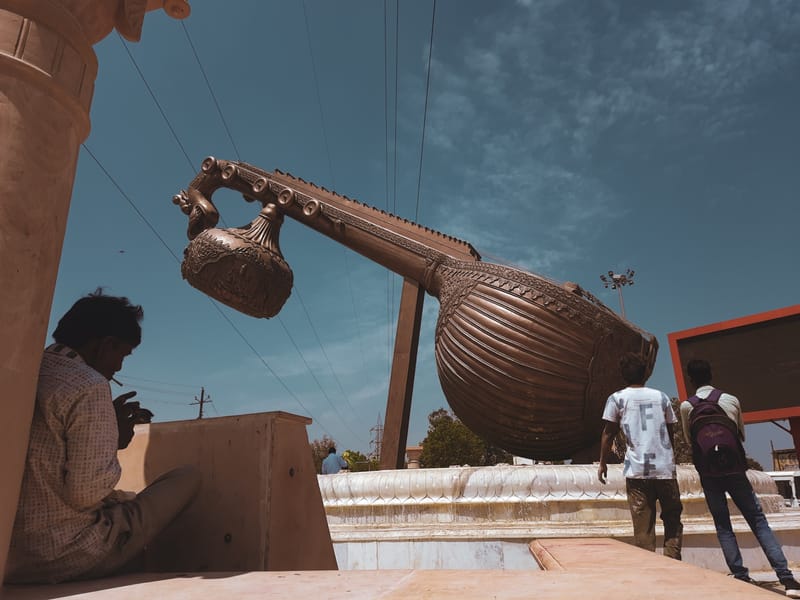
Ram Ki Paidi, Ayodhya, photographed on 17 May 2026. Photo: Vanshiikaa / Wikimedia Commons, CC0. Resized for display. This photograph shows Ram Ki Paidi, not Guptar Ghat.