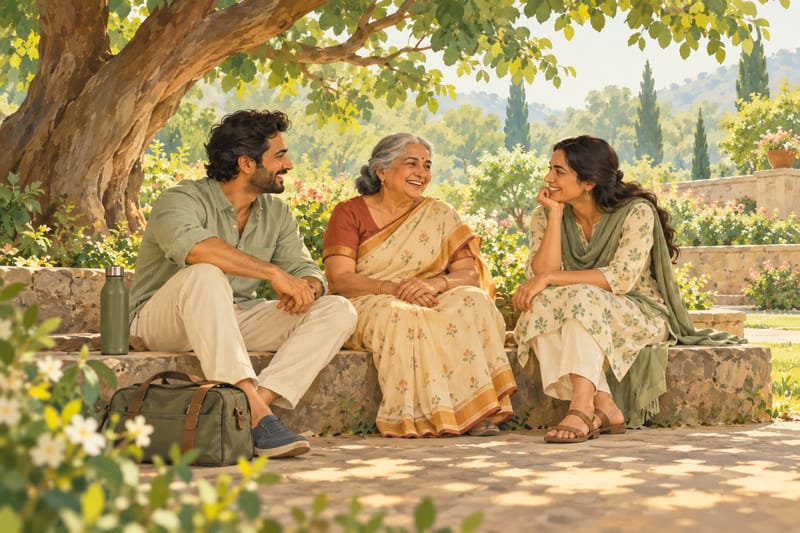
A wish for prosperity can fit into something as small as a leaf. Maharashtra's Dussehra traditions include exchanges of leaves between friends and relatives, carrying blessings of wealth and success. The value of the gesture lies in what people wish for one another.
For families gathering in Ayodhya, that offers a thoughtful question before wedding gifts and jewellery become shopping lists: what kind of prosperity do you want the couple to enjoy? A celebration, a meaningful keepsake and room to begin their everyday life can all belong in the answer.
A regional custom and a generous idea
The Maharashtra Tourism account of Dussehra describes leaf exchanges associated with wishes for good luck and prosperity, naming Shami and Apta in its discussion. It also describes honouring agricultural tools and livelihoods.
This is an account of regional customs, not evidence that every Ayodhya family observes them. Nor should the plant names be treated as an identification guide. If a leaf exchange belongs to your own family tradition, ask the people who practise it which leaves they mean and how they understand the gesture.
You can also appreciate the idea without adopting the custom. A modest object can carry a large wish: enough security to live comfortably, work that feels worthwhile, or time to care for one another. These are hopes expressed through a celebration, not effects a ritual or purchase can guarantee.
Give gifts and the celebration separate conversations
A wedding brings together several kinds of spending. Hospitality pays for the occasion people share. A gift may remain with the couple afterwards. Household needs continue when the functions are over. Putting all three into one emotional conversation can make it difficult to see what each decision is taking from the others.
Try naming them separately: “our celebration”, “our gifts” and “our life afterwards”. Decide what belongs in each before choosing amounts. The purpose is clarity, not a prescribed percentage or a rule that every family must give the same things.
The Reserve Bank of India's financial-literacy material identifies budgeting, saving and responsible borrowing among its product-neutral messages. A practical wedding application is to agree what your family can comfortably commit before comparing purchases.
Our Ayodhya wedding-budget guide covers the detailed event costs. Here, keep the gift discussion connected to the recipient. Would they enjoy wearing the item? Does it fit their life? Would a smaller purchase leave more room for something they value?
If gold jewellery is part of the gift
Choose with the recipient where possible. Design, weight and comfort are personal; a photograph cannot tell you whether someone will want to wear a piece regularly. Agree the spending boundary before an attractive display begins to make the decision for you.
For HUID-marked gold jewellery and artefacts, the Bureau of Indian Standards' current scheme brief explains three hallmark components: the BIS Standard Mark, purity in caratage and fineness, and a six-character alphanumeric HUID. Its consumer-protection guidance describes the “Verify HUID” feature in the BIS Care app.
Use those checks to understand the marked article and its purity. Then read the price separately. Ask the seller to explain the net precious-metal weight, the weight and price of stones or other components, making charges, taxes and the final amount you will pay.
Ask what happens if the recipient needs a different size or design. Get alteration, exchange, return and any buyback terms in writing, including which charges or components would be deducted. Keep the item description, invoice and identifying details together. These are purchase questions, not a prediction of what gold will be worth later.
A hallmarking discussion should also stay within its scope. This short guide does not determine which rules or exemptions apply to every old heirloom, coin, bullion product or unusual article. For a particular purchase, consult the current BIS guidance and ask the seller to identify the relevant scheme.
Let the blessing leave room for choice
A Dussehra wish for prosperity does not create an obligation to buy gold or stretch a family beyond what it can afford. Ask whether the recipient would prefer a keepsake, a useful household item or a simpler celebration with less financial pressure attached.
You might put the wish into a note: what you hope the couple will have time for, what you admire in them, or which family memory you would like them to carry forward. That can make even a small gift personal.
For a gentle way to begin the wider conversation, see our Dussehra wedding-planning ritual. Start with what you want to protect, then let the purchases serve that purpose.
Official sources checked on 20 October 2026. Regional customs are described as traditions, not wealth predictions. The spending examples are original planning guidance, not personalised investment advice or a forecast of gold prices.
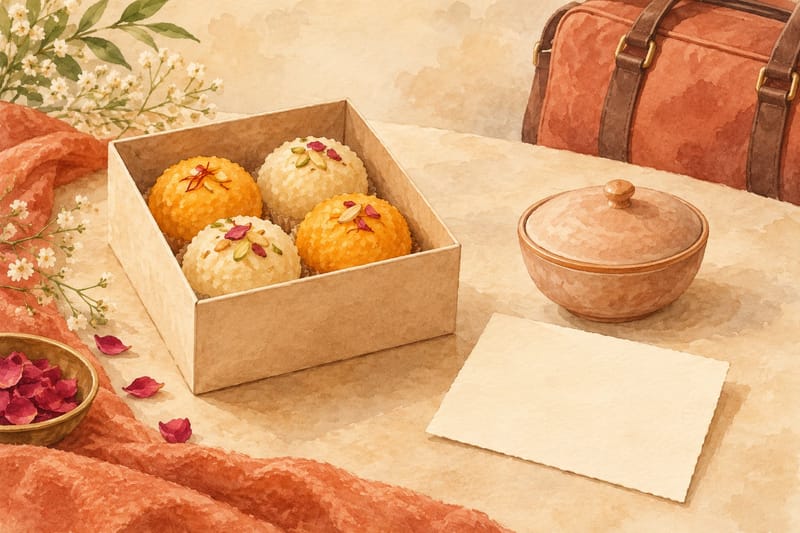
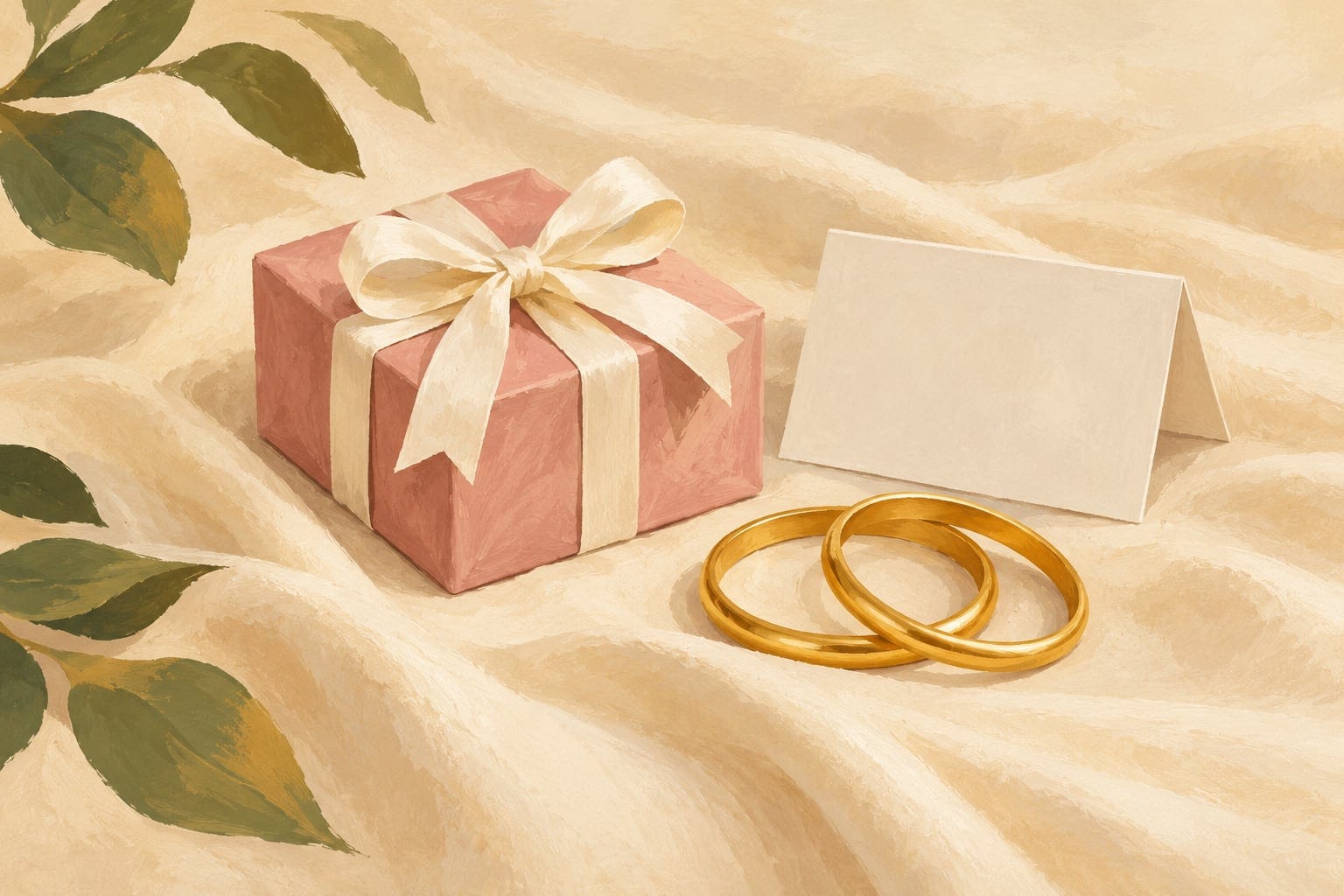
AI-generated conceptual illustration of gifts and gold-coloured bangles. Not a photograph of actual jewellery, a verified hallmark or a botanical identification of Shami or Apta. Resized for display.